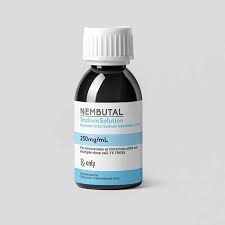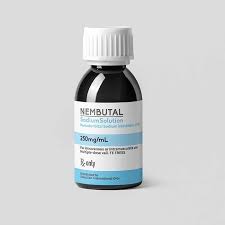
Tag Archive : Nembutal for sale

What Are Barbiturates? A 2025 Medical Guide to Classification and Understanding
Barbiturates represent a class of central nervous system depressants that have played a significant role in medical history. While their use has declined significantly since the mid-20th century, understanding these substances remains crucial for healthcare professionals and patients alike.

Historical Context and Medical Classification of Barbiturates
The American Medical Association first recognized barbiturates in the early 1900s as therapeutic agents. These compounds, derived from barbituric acid, were originally developed for their sedative and anticonvulsant properties. According to The National Institute on Drug Abuse, barbiturates are classified based on their duration of action.

Types of Barbiturates
Barbiturates are classified based on their duration of action:

Ultra-short-acting:

Thiopental: Used for inducing anesthesia.
Methohexital: Often used in electroconvulsive therapy (ECT).
Short-acting:

Pentobarbital: Used for insomnia and seizure control.
Secobarbital: Used for insomnia and pre-operative sedation.
Intermediate-acting:

Amobarbital: Used for insomnia and anxiety.
Butalbital: Often combined with other drugs for headache treatment.
Long-acting:

Phenobarbital: Used for seizure control and sedation.
Mephobarbital: Used for seizure control.
Uses of Barbiturates
Barbiturates have a wide range of medical uses:

Seizure Control: Phenobarbital is commonly used to manage epilepsy.
Insomnia: Short and intermediate-acting barbiturates help in treating sleep disorders.
Anesthesia: Thiopental and methohexital are used for inducing anesthesia.
Sedation: Used for pre-operative anxiety and sedation.
Elevated Intracranial Pressure: Used to induce coma in cases of increased intracranial pressure.
Current Medical Applications of Barbiturates
In modern medicine, barbiturates have largely been replaced by safer alternatives. However, Johns Hopkins Medicine confirms they retain specific medical applications, particularly in controlled hospital settings for:

Pre-surgical anesthesia
Severe seizure management
Acute migraines (in specific cases)
Certain emergency medical procedures
Safety Considerations and Modern Alternatives of Barbiturates
The World Health Organization emphasizes that safer medications have largely substituted barbiturates for most conditions. Benzodiazepines, which offer a wider margin of safety, now serve as the primary treatment for many conditions previously treated with barbiturates. Buy Pentobarbital Sodium Online

Professional Oversight and Regulation
The Drug Enforcement Administration classifies most barbiturates as Schedule II, III, or IV controlled substances, requiring strict medical supervision and controlled distribution. Healthcare providers must carefully monitor any prescribed use, with regular assessment of therapeutic benefits versus potential risks.

Looking Forward: Medical Research and Alternatives to Barbiturates
Current medical research continues to explore safer alternatives while maintaining limited use of barbiturates in specific clinical scenarios. Healthcare providers emphasize the importance of using newer, safer medications when available while preserving barbiturates for specialized medical applications where they remain uniquely effective.

Patients should always consult healthcare professionals regarding any questions about medication, including barbiturates, and follow prescribed guidelines strictly. Medical supervision is essential for any treatment involving these substances.
Side Effects and Risks of Barbiturates
Barbiturates carry significant risks, including:

Dependence and Addiction: Regular use can lead to dependence and addiction.
Withdrawal Symptoms: Sudden stoppage can cause severe withdrawal symptoms, including seizures.
Overdose: Barbiturates have a narrow therapeutic index, making overdose a serious risk.
Interactions: They can interact with other medications, leading to potentially fatal outcomes.
Replacement by Benzodiazepines
Due to the high risk of overdose and the lack of an antidote, barbiturates have largely been replaced by benzodiazepines and nonbenzodiazepines (Z-drugs) in routine medical practice. These newer drugs are considered safer for treating anxiety and insomnia. street names for Nembutal

Regulatory Status
In the United States, barbiturates are classified as controlled substances under the Controlled Substances Act of 1970. Most barbiturates are classified as Schedule III or IV drugs, reflecting their potential for abuse and dependence.

What Are Barbiturates? A 2025 Medical Guide – Must-Know Facts!

This comprehensive overview reflects current medical understanding while acknowledging the evolving nature of therapeutic approaches in modern healthcare. As medical science advances, our understanding and use of these medications continue to develop, always prioritizing patient safety and optimal therapeutic outcomes.

Mass Image Compressor Compressed this image. https://sourceforge.net/projects/icompress/ with Quality:80
  1. What Is Nembutal (Pentobarbital Sodium)?
    Nembutal is a short-acting barbiturate that acts as a sedative-hypnotic. Pentobarbital, the active ingredient, works by depressing the activity of the brain and central nervous system. It produces calming effects, induces sleep, and in higher doses, can lead to coma or death.
  2. Medical Uses of Nembutal
    a) Sedation and Anesthesia
    Nembutal is used in hospitals to induce preoperative sedation and general anesthesia, especially for short surgical procedures.

b) Seizure Management
In emergency cases of status epilepticus, pentobarbital may be used to control seizures when other medications fail.

c) Insomnia (Historical Use)
Previously prescribed for chronic insomnia, Nembutal has largely been replaced by safer alternatives due to its high risk of dependence and overdose.

d) Coma Induction
Used in ICU settings to induce a barbiturate coma in patients with traumatic brain injuries to reduce intracranial pressure.

e) Euthanasia and Assisted Dying
Nembutal is legally used for euthanasia in countries like the Netherlands, Belgium, Switzerland, Canada, and in some U.S. states (e.g., Oregon and California) under physician-assisted dying laws.

  1. Non-Medical and Controversial Uses
    a) Assisted Suicide
    Nembutal has gained notoriety as a means for end-of-life decisions, sparking global ethical debates. Organizations like Exit International advocate for its availability under the right to die movement.

b) Recreational Use and Abuse
Despite its restricted status, Nembutal has been misused recreationally for its euphoric and sedative effects. This use is dangerous and can lead to overdose or death.

c) Animal Euthanasia
Veterinarians use Nembutal for the humane euthanasia of animals. It’s fast-acting and ensures a painless death.

  1. Legality Around the World
    United States:
    DEA Schedule II: Controlled substance with recognized medical use but high potential for abuse.
    Legal for medical and veterinary use under strict regulation.

Australia:
Schedule 4 substance; unauthorized possession or use is illegal.

United Kingdom:
Classified under Class B drugs; not available without prescription.

European Union:
Varies by country. Legal for medical use in some, banned in others.

Assisted Dying Jurisdictions:
Countries like Switzerland, Netherlands, Belgium, and Canada allow medical use of Nembutal for euthanasia under regulated conditions.

  1. Pharmacology and Dosage
    Pharmacokinetics:

Absorption: Rapid when taken orally or intravenously

Distribution: Widely distributed in body tissues, especially fat and the brain

Metabolism: Liver (CYP450 enzymes)

Excretion: Primarily through kidneys

Dosage:

Sedation: 100-200 mg orally

Preoperative Anesthesia: 150-200 mg IV

Coma Induction: 5-15 mg/kg IV

Euthanasia (Human): 15-30 grams orally or IV (under medicalsupervision only)

Animal Euthanasia: Depends on weight and species

Warning: Self-administration is extremely dangerous and illegal in most regions

  1. What Is Nembutal (Pentobarbital Sodium)?
    Nembutal is a short-acting barbiturate that acts as a sedative-hypnotic. Pentobarbital, the active ingredient, works by depressing the activity of the brain and central nervous system. It produces calming effects, induces sleep, and in higher doses, can lead to coma or death.
  2. Medical Uses of Nembutal
    a) Sedation and Anesthesia
    Nembutal is used in hospitals to induce preoperative sedation and general anesthesia, especially for short surgical procedures.

b) Seizure Management
In emergency cases of status epilepticus, pentobarbital may be used to control seizures when other medications fail.

c) Insomnia (Historical Use)
Previously prescribed for chronic insomnia, Nembutal has largely been replaced by safer alternatives due to its high risk of dependence and overdose.

d) Coma Induction
Used in ICU settings to induce a barbiturate coma in patients with traumatic brain injuries to reduce intracranial pressure.

e) Euthanasia and Assisted Dying
Nembutal is legally used for euthanasia in countries like the Netherlands, Belgium, Switzerland, Canada, and in some U.S. states (e.g., Oregon and California) under physician-assisted dying laws.

  1. Non-Medical and Controversial Uses
    a) Assisted Suicide
    Nembutal has gained notoriety as a means for end-of-life decisions, sparking global ethical debates. Organizations like Exit International advocate for its availability under the right to die movement.

b) Recreational Use and Abuse
Despite its restricted status, Nembutal has been misused recreationally for its euphoric and sedative effects. This use is dangerous and can lead to overdose or death.

c) Animal Euthanasia
Veterinarians use Nembutal for the humane euthanasia of animals. It’s fast-acting and ensures a painless death.

  1. Legality Around the World
    United States:
    DEA Schedule II: Controlled substance with recognized medical use but high potential for abuse.
    Legal for medical and veterinary use under strict regulation.

Australia:
Schedule 4 substance; unauthorized possession or use is illegal.

United Kingdom:
Classified under Class B drugs; not available without prescription.

European Union:
Varies by country. Legal for medical use in some, banned in others.

Assisted Dying Jurisdictions:
Countries like Switzerland, Netherlands, Belgium, and Canada allow medical use of Nembutal for euthanasia under regulated conditions.

  1. Pharmacology and Dosage
    Pharmacokinetics:

Absorption: Rapid when taken orally or intravenously

Distribution: Widely distributed in body tissues, especially fat and the brain

Metabolism: Liver (CYP450 enzymes)

Excretion: Primarily through kidneys

Dosage:

Sedation: 100-200 mg orally

Preoperative Anesthesia: 150-200 mg IV

Coma Induction: 5-15 mg/kg IV

Euthanasia (Human): 15-30 grams orally or IV (under medicalsupervision only)

Animal Euthanasia: Depends on weight and species

Warning: Self-administration is extremely dangerous and illegal in most regions

Are you truly sick, weak, depressed, and wanting to give up on life because of the suffering of the world? Are you looking for a reliable and effective way to die without losing money? Have you ever searched for Nembutal Pentobarbital Sodium for peace? We are here to provide a quiet and reliable solution. Buy Nembutal (Pentobarbital) here

https://silvercorporation.org/order-nembutal

If you want to buy Nembutal online, you’ve come to the right place. Look no further and write to us to buy Nembutal online at a very low price. We have over nine years of experience shipping Nembutal to the United States, Canada, Europe, Australia, Africa, and Asia with a 99.9% success rate. We are dedicated to bringing true hope and lasting peace to those who truly suffer. We sell Nembutal powder, Nembutal oral liquid, and Nembutal tablets. Please provide us with your age and weight so we can provide you with accurate pricing, shipping, and payment information. We ship Nembutal worldwide with 100% care and speed, and we have a return policy to ensure maximum customer satisfaction. Buy Nembutal (Pentobarbital) here